
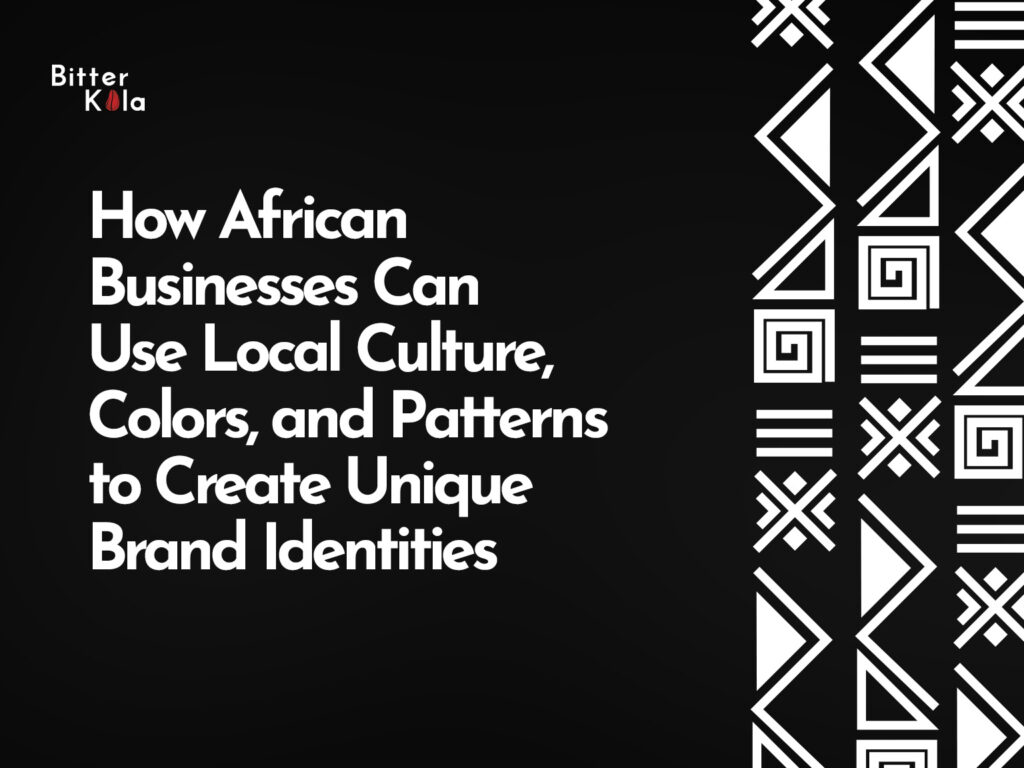
In today’s competitive market, standing out is more important than ever. For African businesses, leveraging the richness of local culture, colours, and patterns can be a powerful way to build a unique brand identity that resonates with customers both locally and globally. African heritage is full of vibrant traditions, textiles, art, and symbolism elements that, when thoughtfully integrated into branding, can create a memorable and authentic business image.
The Power of Local Culture in Branding
Every African country and often every region within it has its own distinct cultural identity. From storytelling traditions and folklore to music, dance, and festivals, culture shapes the way people perceive the world. For businesses, embedding elements of local culture into your brand communicates authenticity, trust, and relatability.
For example, Bitter Kola Studio’s branding is a masterclass in cultural storytelling. Right from their name, they connect deeply with African heritage. The studio chose “Bitter Kola”, inspired by the kola nut, a symbol of hospitality, community, and African tradition, and bitter kola, known for its resilience and health benefits.
By naming their brand after these culturally significant elements, Bitter Kola Studio immediately communicates a distinct African identity. Even without seeing their logo or colors, the name alone makes the brand memorable and culturally grounded. This clever use of local symbolism gives them a natural edge in brand recall.
Similarly, African-inspired design motifs in logos, packaging, or marketing materials can help a business stand out in a crowded marketplace.
Using African Colours to Evoke Emotion
Colour is one of the most immediate ways a brand can connect with its audience. African colours are known for their vibrancy and symbolism. Bold reds, bright yellows, deep blues, and earthy greens can convey energy, optimism, creativity, or a connection to nature and tradition.
When creating a brand identity, businesses should consider the cultural meaning behind colours. For instance:
Red often symbolizes vitality and passion.
Gold and yellow convey wealth, wisdom, and positivity.
Green is associated with growth, fertility, and harmony.
By incorporating these colours into logos, websites, packaging, and advertising, African businesses can craft a brand that is both visually striking and culturally meaningful.
Incorporating African Patterns into Branding
African patterns are diverse and full of storytelling potential. Geometric motifs, tribal prints, and symbolic designs can be used to create logos, product designs, and marketing visuals that are uniquely African. For example, Nigerian Adire cloth patterns,Cameroonian Tohgu and Ndop Traditional patterns, Moroccan Zellige tiles, or South African Ndebele murals can inspire distinctive visual branding elements.
These patterns do more than just decorate they convey heritage, identity, and values. A brand that incorporates African patterns thoughtfully can communicate creativity, authenticity, and a strong cultural connection, helping it resonate deeply with customers.
Benefits of Culturally Inspired Branding
Authenticity: Using local culture ensures your brand feels genuine and rooted in its origins.
Recognition: Vibrant colours and distinctive patterns make your brand more memorable.
Connection: Customers are more likely to trust and engage with a brand that celebrates cultural identity.
Differentiation: In a global market, African-inspired branding sets you apart from competitors who rely on generic design elements.
Tips for African Businesses
Leverage symbolic elements: Names, logos, and visuals inspired by African culture can make a brand stand out.
Blend modernity with tradition: Combine contemporary design trends with cultural inspiration to appeal to both local and global audiences.
Consistency is key: Apply your colours, patterns, and cultural motifs consistently across all branding materials and platforms.
Research local traditions: Understand the meaning and history behind colours, patterns, and symbols.
Be authentic: Avoid using cultural elements superficially; your brand should reflect real values and stories.
Some African items, symbols and patterns Africans can use for their branding
African culture is a branding goldmine and here is a list of a few inspirational items for branding:
- Kola Nut / Bitter Kola – Hospitality, resilience, community
- Baobab Tree – Strength, longevity, wisdom
- Calabash (Gourd) – Abundance, unity, nourishment
- Cowrie Shells – Wealth, prosperity, femininity
- Mask motifs – Identity, creativity, spirituality
- Drum (Djembe, Talking Drum) – Communication, rhythm, unity
- Kente (Ghana) – Royalty, prestige, excellence
- Adire (Nigeria) – Craftsmanship, individuality
- Ankara / Wax Prints – Vibrancy, modern African identity
- Mud Cloth (Bogolanfini – Mali) – History, protection, storytelling
- Ntutuere (Cameroon) – Identity, community, tradition
- Aso Oke (Nigeria) – Celebration, status
- Beads & Beadwork – Beauty, identity, tradition
- Baskets & Weaving Patterns – Sustainability, craftsmanship
- Traditional stools & thrones – Leadership, authority
- Spears & Shields (stylized) – Protection, courage
- Pottery shapes – Earth, heritage, balance
- Musical instruments – Creativity, expression
Zellige tile patterns (Morocco) – Precision, craftsmanship
Conclusion
African businesses have a wealth of cultural richness at their disposal. By thoughtfully integrating local culture, colours, and patterns, brands can create identities that are not only visually striking but also emotionally resonant. This approach allows businesses to stand out, connect with audiences, and celebrate the continent’s diverse heritage—turning culture into a powerful tool for unique branding.